
Sage Healthy Living Blog
.png)
It's Time for a Gut Check!
Your gut may be telling you more than you realize. When was the last time you really checked in with your gut? Maybe you've been noticing occasional bloating or digestive discomfort after meals. Maybe your energy isn't what it used to be. Or, perhaps you are simply looking for ways to support your health as you age. Did you know that your GUT does much more than help digest your last meal? There is a COMMUNITY of microorganisms that live within your digestive tract which is known as your Gut Microbiome which interacts with several processes throughout your body, including digestion, metabolism, and even immune function. Here here at sage, that is what we call the "home base" or "center of your body" and when your GUT becomes disrupted, (even the slightest disruption), roots can branch off into other areas within the body causing discomfort or dis-ease. So, it may be time for a Gut Check! What is Your Gut Trying to Tell You? Supporting your digestive health does not have to mean that you need to follow an extreme diet, buy a cabinet full of supplements, or completely change your lifestyle overnight. Simple habits are key here! Eating a varied, nutrient-rich diet, making sure your body gets enough dietary fiber, staying properly hydrated, moving your body, managing stress, and getting adequate sleep can all be pieces of the puzzle to a gut-supportive lifestyle. The goal is not perfection. The GOAL is to learn how to recognize what helps your body feel and function at its best. And, if you've ever wondered, "Where do I even begin?" we have something special coming up at Sage Wellness Studio. Healthy Gut, Happy Life WorkshopYour gut called...🖁And it wants to talk to you! Join Dr. Wendy for Healthy Gut, Happy Life, a wellness workshop that explores the powerful connection between gut health, energy, immunity and healthy aging. You'll learn practical nutrition and lifestyle strategies that are designed to help you better understand YOUR microbiome while supporting healthy digestion. You'll also learn how to make realistic choices that will promote long-term wellness. Save the DateWednesday, October 14th, 2026 6:30 - 8:00 PM EST In person attendance available Virtual attendance available And yes, if you cannot make it to the Studio located in Malvern, PA, your couch is invited! Grab your favorite tea, get comfortable, and join in on this exciting workshop. Explore the Workshop & Register with Sage Wellness Studio With Care, The Sage Team
You responded to all your emails. You survived the back-to-back meetings. You handled all the errands you needed to run. You survived school drop-off and pick-up. You even checked those pop-up notifications. Now it's time to CLOCK OUT and TUNE INTO your BODY! Because your weekend does not have to be another two days of rushing to enjoy the small break. Sometimes, all you need to do is: Move and Stretch your Body! Breathe a little deeper! Quiet the Mental Chatter and Ground yourself RESET your Energy! And Simply BE! If you've been saying:
"I really want to try yoga, but, I am not flexible..." "I need to start meditating, but, I don't know where to begin...""I just need an hour for ME, but, what should I do?"Then consider this your sign from the UNIVERSE! Come experience Sage Wellness Studio and try one of our free classes!
No perfect flexibility required. No perfect yoga pose required. No perfectly quiet mind is required.Just bring YOU! If you are ready for a little weekend reset, then come Fall into the Weekend with Sage Wellness Studio!
With care,The Sage Team
Back to School. Back to Routine. Back to YOU!Summer has a beautiful way of loosening our routines. From late nights, vacations, cookouts, travel, to kids being home and meals on the go. Now that September has arrived, school is back in session, calendars are filling up, work schedules are changing, and suddenly, everyone is trying to find their rhythm again.As you begin to reorganize your schedules, pack lunches, plan meals, and get everyone back to where they need to be, here at Sage, we want to remind you of someone who deserves that schedule too: YOU!This Season, Come Back to YOU A healthy routine doesn’t have to mean a complete lifestyle overhaul. Some of the meaningful changes begin with returning to the basics. So, ask yourself:How have I been sleeping?Am I eating consistently throughout the day?Am I giving my body enough nourishment?How is my digestion?Do I want to shed a few pounds from summer?Instead of approaching fall with a long list of things, you “should” be doing, consider choosing a few supportive habits that make your days feel more grounded.Back to YOU Routine ResetBuild a morning anchor - Before jumping into email drop-offs, or your to-do list, give yourself a small moment of consistency. A water break, a lite breakfast, stretching, or stepping outside can become your signal that the day has begun.Make nourishment easier, not perfect – Busy schedules can make skipping meals or relying on convenience foods tempting. Keep simple ingredients available that can become balanced meals without an elaborate recipe.Rebuild your sleep rhythm – Dim the lights, reduce stimulation when possible, and give your nervous system time to transition out of the “doing” mode. Consistent sleep is what you need!Create small moments of nervous system support – Take short walks, sit outside, soak up some vitamin D in the beautiful sun, stretch in between tasks, or step away from your phone for a few minutes. Be sure to check our SAGE Studio! Offering yoga classes, meditation classes, sound bowl healing sessions and much more.Check in with your body – Are you experiencing or noticing persistent fatigue, digestive discomfort, changes in your sleep schedule, headaches, changes in your appetite, or simply not feeling like yourself can be worth discussing with your healthcare provider or practitioner. Be sure to schedule an appointment with your provider. 30 -minute follow ups for $105 or 60 - minute follow up for $210.Back to Your GoalsWeight loss is MORE than a NUMBER on the scale. Maybe one of the things you’d like to get back into this fall is feeling more comfortable, energized, and confident in your body. And, if weight loss has felt harder than it used to, you’re not necessarily imagining it.Changes within your hormones, metabolism, blood sugar regulation, sleep, stress, gut health, and much more can influence weight and body composition.That’s why at Sage; our approach isn’t simply: Eat Less and Exercise More. We want to understand the bigger picture. Our weight loss program combines personalized nutrition, lifestyle support, and ongoing coaching to help you create habits that are realistic for your life.If you’re interested, Click here to schedule a session with our Weight Loss Coach, RACHEL!Ready to Get Back to YOU?!Your health deserves a place on the calendar, too! Whether you’re discovering Sage Integrative Health Center for the first time, or it’s simply time to reconnect with your provider, we’re here to support your next step. New to Sage?Are you curious about integrative health services but not sure where to begin? Schedule a FREE 15-Minute Discovery Call to learn more about our services, ask questions, and explore whether Sage Integrative Health Center may be a good fit for your needs.Click here to Schedule your FREE Discovery CallCurrent Patient with Sage?Login to your patient portal today to schedule your 30- or 60-minute follow-up with your provider.Sage Patient Portal You do not need a brand-new life this fall. Sometimes, all you need is to simply come back to yourself!Back to School! Back to Routine! Back to YOU! With care,The Sage Team Click Here to ScheduleYour Sage Healing Team is Here for You!Just a friendly reminder to schedule with us today! Scheduling regular appointments or booking annual check-ups is crucial for taking care of your health. Don't delay, schedule your appointment today!Click here to schedule your check-in todayFollow @sageintegrative
The Sage team has been busy providing daily health content on topics like women's health, motherhood, gut health, topics on healthy aging and inflammation. We hope you'll follow us and give us your feedback. If you have topics you'd like to see more of, let us know!
@SageIntegrative
Since the FDA removed the “black box” warning on hormone replacement therapies at the end of 2025, the conversations around hormonal imbalances have exploded. I have been working with people for more than 15 years to balance hormones naturally and am thrilled to see the dialogue expand into more options for patients..
In my most recent rabbit hole adventures, I’ve been researching progesterone and its precursor pregnenolone not just for its impact on the luteal phase of the menstrual cycle, but also for its role in mood, sleep and brain health. Dysregulation of progesterone can have life-altering effects leading to insomnia, mood disorders and even dementia.
Did you know that progesterone is actually considered a neurosteroid? What that means is that it has neuroprotective properties and can actually be synthesized by neurons. Some studies have even shown the positive effects of treatment with progesterone for traumatic brain injuries.
But back to the effects on sleep and mood. Low progesterone can increase sleep disturbances and also lead to conditions like PMDD (pre-menstrual dysphoria disorder) and anxiety. This is due to the role of allopregnanolone (a progesterone metabolite) in enhancing GABA’s inhibitory response in the nervous system, leading to relaxation and calm.
For women experiencing:
-mood changes
-sleep disturbances
-brain fog
-memory issues
assessing hormonal levels may be a great option. There are some wonderful herbs and supplements available to help restore hormone levels, improve sleep and balance the mood.
Reach out to us with questions or to schedule a 15-minute free discovery call.
References:
Haufe A, Leeners B. Sleep Disturbances Across a Woman's Lifespan: What Is the Role of Reproductive Hormones? J Endocr Soc. 2023 Mar 15;7(5):bvad036. doi: 10.1210/jendso/bvad036. PMID: 37091307; PMCID: PMC10117379.
Stefaniak M, Dmoch-Gajzlerska E, Jankowska K, Rogowski A, Kajdy A, Maksym RB. Progesterone and Its Metabolites Play a Beneficial Role in Affect Regulation in the Female Brain. Pharmaceuticals (Basel). 2023 Mar 31;16(4):520. doi: 10.3390/ph16040520. PMID: 37111278; PMCID: PMC10143192.

It’s been another wintery week here in the Philadelphia area. ❄️While shoveling snow on Monday, I got to thinking about the importance of movement in daily life.
As someone who has never particularly enjoyed going to the gym, and becomes inflamed with high intensity workouts, I’ve had a lot of trial and error with exercise in my life.
A few years ago, I realized that I needed a longevity plan - a way of moving that kept me fit but was sustainable as I age. Something low to moderate intensity, but also fun.
In 2024, I discovered rucking (walking or hiking with a weighted backpack) and haven’t turned back. This activity checked all of the boxes for me AND I can do it with my dog - a double win.
Many people view exercise as something requiring a gym membership, which can feel like an impediment before they even get out the door. For some, the very mention of exercise stimulates feelings of angst.
Are you concerned you’re not getting enough movement in your day? You’re not alone.
Almost one third of Americans report having a sedentary lifestyle (more than seven hours of zero to low movement per day).
Research shows that leading a sedentary lifestyle can increase inflammatory markers on its own outside of exercise and diet. This is significant and means that even for someone that exercises and eats well, sitting at a desk all day without activity can increase the risk of inflammation and chronic disease.
In many Blue Zones (regions of the world with the highest populations of centenarians), movement is often more organic. Activities like gardening, hiking, walking the dog, playing low impact sports, and tai chi have all been cited in living longer, healthier lives.
If you’re someone who gets stuck at their desk or doesn’t move enough, here are a few ideas to help break up those long blocks of inactivity.
Daily Movement Hacks:
Wear a 10 or 15 pound weighted vest around the house while doing chores. 30 minutes is all you need to up the intensity of your day. Just keep an eye on your posture to avoid injuries. 🙂
Stand up every hour to stretch.
Consider a treadmill mat for watching TV or listening to podcasts.
Set your watch to remind you when you’ve been sitting too long (most wearable tech will give you cues).
Take a lunchtime walk outdoors - even in the cold weather as it’s good for circulation.
Exercise doesn’t have to be arduous, but it DOES have to be a daily habit. I invite you to share ways you keep moving throughout the day.
References:
Huston, P. (2022). A Sedentary and Unhealthy Lifestyle Fuels Chronic Disease Progression by Changing Interstitial Cell Behaviour: A Network Analysis. Front Physiol. 2022 Jul 8;13:904107. doi: 10.3389/fphys.2022.904107Burini, R., Anderson, E. Durstine, J., Carson J. (2020). Inflammation, physical activity, and chronic disease: An evolutionary perspective. Sports Med Health Sci. 2020 Mar 26;2(1):1–6. doi: 10.1016/j.smhs.2020.03.004


We are back on daylight savings and for most of us, that means increased fatigue, sleep disturbances and brain fog for days, if not weeks on end. People who have relatively regulated sleep experience a minor disturbance twice per year, but for those who suffer from chronic sleep imbalances, this adds more fuel to an already raging fire.
What is a sleep imbalance? Sleep issues come in several forms including:
Difficulties falling asleepDifficulties staying asleepWaking up frequentlyPoor overall sleep qualityWaking up too early and not falling back to sleepThe causes of sleep imbalances are often multi-fold and difficult to pin down for many people, but there are generally a few smoking guns when we assess sleep disturbances in our patients. DietA diet high in simple carbohydrates and sugar can lead to blood sugar imbalances that can have a significant impact on sleep. We recommend a diet rich in complex carbs, proteins and polyphenols which can improve melatonin production and reduce the risk of glucose spikes in the middle of the night.Stress/cortisol imbalancesStress is one of the biggest factors with sleep interruptions as elevated cortisol can cause one to feel awake even if their body is tired. Cortisol imbalances are often responsible for waking people up in the middle of the night and can make it difficult to fall back asleep. Meditation, deep breathing and gentle yoga can be excellent tools to release the stresses of the day.Sleep hygieneScreen-time before bed can be stimulating for the brain. While bluelight blocking is important, oftentimes it's the content on the screens that can put the brain in a heightened state, causing delayed sleep. Other factors of sleep hygiene include too many lights in the bedroom, warm temperatures and outside noises. Consider putting screens away at least 30 minutes before bed and experiment with a white noise machine to balance sounds in the room.InflammationInflammation can show up in a few ways that can impact sleep including pain, heat and overall discomfort. Chonic inflammation can be debilitating, and when it interferes with sleep, there is often a viscious cycle. Anti-inflammatory interventions like sauna, massage, turmeric, quercetin and increased omega 3 intake can help dampen inflammation and improve sleep over time. Hormonal/neurotransmitter imbalancesMelatonin, estrogen, progesterone, testosterone and other hormones can all impact sleep and promote wakefulness at the wrong times. Neurotransmitters like GABA, serotonin, epinephrine and glutamate all have been indicated in sleep disorders. Hormone and neurotransmitter testing is an option for those who suspect this could be a factor on sleep issues.At Sage, we can help get to the bottom of your sleep issues and finally get the rejuvenating and restorative sleep your body needs for optimal health and wellness.Learn more about our practice by visiting https://www.sageintegrativehealth.com/.Written by Dr. Wendy Romig
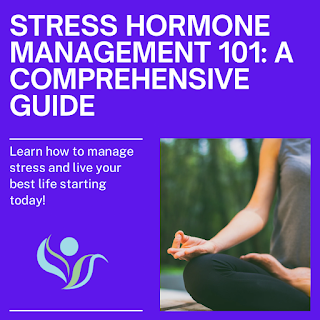
Cortisol, often referred to as the "stress hormone," plays a vital role in our body's response to stress. Produced by the adrenal glands, cortisol influences various functions, from regulating metabolism to controlling the sleep-wake cycle. While cortisol is crucial for survival, chronic stress can lead to an overproduction of this hormone, resulting in a range of health issues.
What is Cortisol?
Cortisol is part of the body's fight-or-flight response, helping us react to immediate threats. It increases blood sugar, sharpens focus, and alters immune system responses. However, prolonged exposure to stressors, be they physical, emotional, or environmental, can lead to sustained elevated cortisol levels, impacting overall well-being.
How Cortisol Affects Us:
1. Metabolism: Chronic stress can disrupt normal metabolic functions, contributing to weight gain, especially around the abdominal area.
2. Immune System: Prolonged cortisol elevation suppresses the immune system, making us more susceptible to infections.
3. Sleep: Cortisol follows a circadian rhythm, with levels peaking in the early morning to wake us up. Elevated evening cortisol can disturb sleep patterns.
Balancing Cortisol Naturally:
1. Regular Exercise: Physical activity is a powerful stress buster. It not only reduces cortisol levels but also releases endorphins, promoting a sense of well-being. Aim for a mix of aerobic and strength training exercises.
2. Adequate Sleep: Establish a consistent sleep routine, aiming for 7-9 hours per night. Quality sleep helps regulate cortisol levels and supports overall health.
3. Mindfulness and Meditation: Practices like mindfulness and meditation have proven effective in reducing stress and normalizing cortisol levels. Incorporate short sessions into your daily routine.
4. Balanced Nutrition: Maintain a diet rich in whole foods, emphasizing fruits, vegetables, and lean proteins. Avoid excessive caffeine and refined sugars, as they can contribute to cortisol spikes.
5. Social Connections: Cultivate strong social bonds. Positive interactions and emotional support can buffer the impact of stress on cortisol levels.
6. Limit Stimulants: Reduce your intake of stimulants like caffeine and nicotine, especially in the evening. These can exacerbate cortisol-related sleep disturbances.
7. Hobbies and Relaxation: Engage in activities you enjoy regularly. Whether it's reading, gardening, or listening to music, these hobbies can counteract the effects of chronic stress.
Understanding cortisol and its effects empowers us to make lifestyle choices that promote balance. By incorporating these natural strategies into our daily lives, we can mitigate the negative impact of chronic stress, fostering both physical and mental well-being. For more tips on how to naturally lead a stress-free life, schedule a consultation with us at SageIntegrativeHealth.com!
Contact Us
Call us to learn more!
Local: (215) 839-3950
Toll-free: (800) 242-3108
Mailing Address Only:
33 W. King Street, #317
Malvern, PA 19355
 Print
Sitemap
Print
Sitemap
Copyright 2026 - Sage Integrative Health. All rights reserved. BBB Accredited Business. Privacy Policy